The Return of TikTok: A Market Perspective on Macroeconomic Trends and Political Influence
In a significant development for the technology and investment landscape, TikTok was restored to the app stores operated by Apple Inc. and Alphabet Inc. on Thursday. This move was prompted by assurances from the Trump administration that the tech giants would not face legal ramifications for reinstating the application. TikTok, a popular video-sharing app owned by the Chinese company ByteDance, had previously been removed from the Apple App Store and Google Play Store after a law aimed at banning it in the U.S. took effect on January 19. The action taken by President Donald Trump, through an executive order on his first day in office, postponed the enforcement of the law, allowing for a temporary reprieve.
The Legal Framework and Implications
Despite the executive order, Apple and Alphabet opted to keep TikTok out of their app stores due to the law remaining active. However, the tide has changed following reports from Bloomberg News and the Wall Street Journal indicating that U.S. Attorney General Pam Bondi issued a letter reassuring the tech companies that the Justice Department would not enforce the existing ban. This development comes as a relief for TikTok and ByteDance as it paves the way for the app to resume its growth trajectory in the U.S. market.
It’s critical to note that while the ban did not impact the estimated 170 million U.S. users who had already downloaded the app, it hindered potential new users from gaining access. Therefore, the immediate reinstatement of TikTok catalyzes a renewed opportunity for growth and exacerbates the competition within the social media and entertainment sector. This development opens the door for ByteDance to leverage its platform further, as TikTok continues to dominate youth engagement.
Risks Involved for Tech Giants
Nevertheless, the reinstatement of TikTok does not come without its risks for Apple and Alphabet. The existing law, which remains on the books, stipulates that companies violating the ban could face fines of $5,000 per user. When amplified across the vast user base, the potential penalties could aggregate into hundreds of billions of dollars. Moreover, with the executive order’s non-enforcement window set to expire in early April, Apple and Alphabet might find themselves grappling with a critical decision once again if the situation changes under the current administration.
Moreover, if the ban is not repealed by Congress, the substantial fines might face them under future administrations. With a five-year statute of limitations on penalties, the implications could extend into 2029. Given the ever-changing political landscape, the tech companies remain vulnerable to shifts in policy that may not align with their current operational strategies.
Strategic Options and Market Dynamics
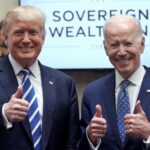
Another intriguing aspect of this situation stems from ongoing discussions surrounding ByteDance potentially selling TikTok’s U.S. operations to a domestic entity. Reports suggest that a myriad of technology firms, including Microsoft Corp. and Perplexity AI, have shown interest in acquiring the platform. Additionally, president Trump has indicated plans for a U.S. sovereign wealth fund that could take a significant stake in TikTok, which adds another layer of complexity to the discussion.
For both Apple and Alphabet, maintaining favor with the Trump administration is essential amid ongoing antitrust lawsuits and the looming presence of tariffs. Notably, Apple CEO Tim Cook and Google representatives have made significant contributions to Trump’s inauguration committee, highlighting the understated yet crucial intertwining of corporate strategy and political alignment.
Broader Market Trends and Future Outlook
The recent developments surrounding TikTok not only illuminate the volatility of tech stocks amid political and regulatory pressures but also demonstrate how macroeconomic trends significantly influence investment strategies. As investors look to optimize their portfolios, the dynamic between regulation, user engagement, and political scenarios becomes increasingly pertinent. While tech stocks appear more resilient amid such challenges, the fluctuation in user accessibility presents both an obstacle and an opportunity for market growth.
As the first quarter of the year progresses, market participants should closely monitor developments in the technology sector, especially concerning regulations and user engagement metrics that could impact stock performance. Whether TikTok continues to thrive independently or transitions into the hands of an American company remains a critical question with substantial implications for investors in this space.
In conclusion, the reemergence of TikTok as a viable platform in the U.S. App Store reflects larger trends at play—the ongoing tug-of-war between technology, politics, and market expectations. For stakeholders, staying vigilant and adapting to the rapidly shifting landscape will be crucial in navigating these challenges.