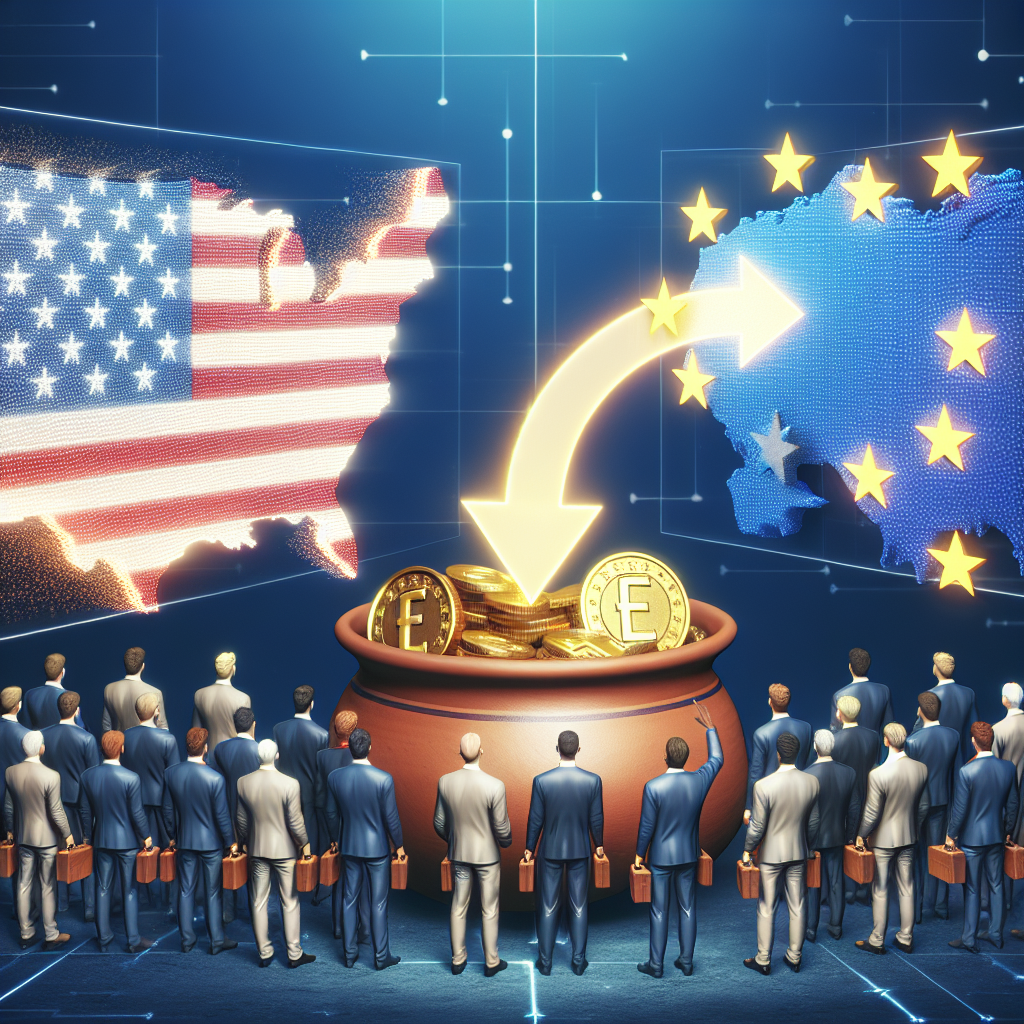
Forget MAGA, Investors Want MEGA: Make Europe Great Again
Shifting Perspectives on European Assets
In the wake of Donald Trump’s election victory, European assets were largely seen as an afterthought. A prolonged period of underperformance in European equities, relative to their American counterparts, had left many investors jaded. The U.S. stock market enjoyed a significant advantage, buoyed by the artificial intelligence boom that propelled American tech giants into new heights, while geopolitical tensions, particularly the war in Ukraine, led to soaring energy costs in Europe. Furthermore, the European automotive sector found itself lagging behind as the transition toward electric vehicles favored quicker adaptors like Tesla and BYD.
Yet, recent trends reveal an unexpected turn in investor sentiment. Since Trump’s election, the Euro Stoxx 50 has surged by 12%, significantly outpacing the 3.5% increase seen in the S&P 500. The third week of February this year marked a notable uptick in Europe-focused equity funds, as they recorded their highest inflow since early 2022, according to analytics firm EPFR. Such shifting dynamics raise pertinent questions: Is this merely a temporary rally, or are we witnessing the beginning of a more profound transformation in Europe’s economic landscape?
Exploring the MEGA Trade
The current rally is being dubbed the **MEGA trade**, or “Make Europe Great Again.” This sentiment marks a shift not just in asset allocation but in the narrative surrounding European growth and recovery. The undercurrents driving this transformation include a realization among investors that European equities now represent attractive “value” opportunities—offering a compelling 6% premium over inflation-protected government bonds, double that of U.S. stocks.
Despite mixed purchasing manager index data, which indicates a challenging environment for manufacturing in Germany, analysts remain cautiously optimistic. They anticipate the likes of Volkswagen, BMW, and Stellantis may soon report positive earnings growth, lifting investor expectations alongside share prices. This optimism presents a stark contrast to past projections, suggesting the potential for a sustainable recovery.
Reforming the European Economic Landscape
The reformative dialogue is gaining momentum. Prominent voices like former European Central Bank President Mario Draghi are advocating for the reduction of excessive regulations that have slowed the bloc’s internal market. In a recent letter, central banks from Germany, France, Italy, and Spain urged policymakers to reassess newly implemented banking capital rules. Such changes would mark a strategic shift in supporting the region’s economic resurgence.
One area ripe for reform is the EU’s banking sector. The disparity between the size of European financial markets and those in the U.S. is stark; the issuance of securitizations in Europe is just one-thirteenth that of the U.S. Should the EU resolve regulatory barriers to cross-border mergers—such as those that hindered UniCredit’s bid for Commerzbank—it could facilitate more robust financial growth.
Amidst this backdrop, European banks like UniCredit and Banco de Sabadell have seen valuations exceed tangible book value, a sign of renewed investor confidence. However, banks like Deutsche Bank and BNP Paribas continue to operate at larger discounts, suggesting there is significant room for further gains, contingent on the outcome of expected banking reforms.
Defensive Strategy and Military Spending
Another crucial area influencing Europe’s investment landscape is defense spending. The ongoing conflict in Ukraine has propelled European nations to rethink their military spending strategies. Historical precedents demonstrate that significant military procurement initiatives can spur broader economic growth. For instance, proposals to increase defense budgets could form the backbone of a more aggressive industrial strategy, crucial for aligning procurement plans across various European nations.
As countries gear up to meet NATO spending requirements, the opportunity for European firms engaged in defense manufacturing, like Leonardo and Rheinmetall, could lead to both substantial gains and the potential for consolidation within the sector.
The Path Forward for Investors
In navigating the evolving landscape, investors must weigh the potential benefits of higher military spending against existing EU fiscal constraints. Discussions surrounding fiscal escape clauses may provide a framework for unlocking new avenues of investment. The urgency to shift away from dependence on the U.S. will likely mandate a reassessment of the EU’s spending priorities, allowing for increased fiscal maneuverability.
Ultimately, while the MEGA trade may derive momentum from current events, it is underpinned by both structural reforms and strategic shifts in spending that could foster long-term growth in the European economy.
As the markets continue to respond to incoming data and shifting geopolitical scenes, it remains crucial for investors to stay apprised of both the risks and opportunities that lie ahead. As history has demonstrated, Europe is adept at rebounding from crises—and for those willing to engage in the *MEGA* narrative, the potential rewards could be substantial.