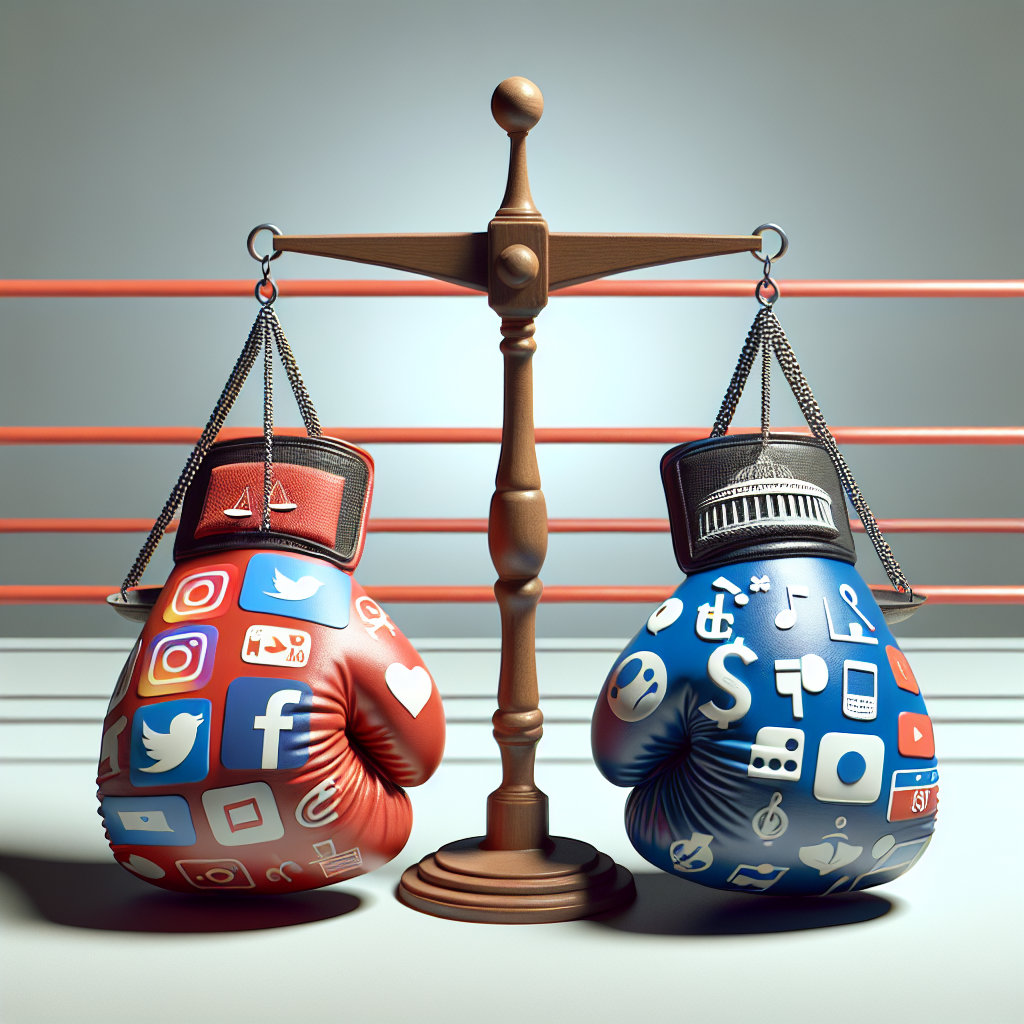
TikTok and Trump: The Regulatory Landscape Ahead
As the deadline of April 5 approaches, TikTok finds itself at a critical juncture in the U.S. regulatory landscape. Following the inauguration of President Donald Trump, analysts expect further extension of buffer periods aimed at avoiding a ban on the popular video-sharing app. Trump’s initial executive order allocated 75 days for exploring a framework that might keep TikTok operational in the U.S., despite its ownership by Chinese company ByteDance Ltd. This has implications not only for the app’s 170 million users in America but also for its extensive advertising revenue stream, estimated at around $10 billion last year.
The Regulatory Horizon
Since the enactment of the bipartisan Protecting Americans from Foreign Adversary Controlled Applications Act—a law targeting apps like TikTok—there have been substantive concerns regarding national security and data privacy. Trump’s new executive order grants his administration the authority to extend timelines for compliance, granting more room for negotiations with prospective American partners like Oracle Corp. (ORCL), who may run the U.S. operations of TikTok. However, experts suggest that a fully compliant deal by April 5 seems unlikely, calling for a probable extension as the most feasible course of action.
Political Dynamics at Play
Political maneuvering adds an additional layer of complexity to the discussion. Vice President J.D. Vance and Trump’s national security adviser are reportedly working towards a resolution by the April deadline, yet insiders indicate that numerous details still remain undetermined. It is crucial to note that while bipartisan consensus previously drove a tough stance against TikTok based on security issues, the current political environment exhibits a lack of unified resistance against Trump’s approach to the app. Only a handful of Republican lawmakers, like Senator Tom Cotton and Representative John Moolenaar, have hinted at potential pushback.
Impact on Stakeholders
From a market perspective, the fate of TikTok could have wide-ranging implications for U.S. public companies. Should TikTok be banned, analysts predict a sizable shift in advertising revenues towards other established players like Meta Platforms Inc. (META) and Alphabet Inc. (GOOGL), both of whom could absorb significant market share. Alternatively, the revenue loss could be consequential for Oracle, whose reliance on TikTok as a major customer could result in unfavorable financial outcomes should the ban move forward.
Legal Landscape
Interestingly, despite the wave of regulatory scrutiny facing TikTok, there have been no significant legal challenges from its competitors. Analysts expected that companies such as Meta or Snap Inc. (SNAP) would mobilize to challenge Trump’s executive actions, particularly given the potential for TikTok users to contest data privacy concerns. However, thus far, the absence of such legal action has been noted as somewhat surprising.
Analyzing the Future Moves
Given the current landscape, experts like Michael Sobolik from the Hudson Institute advise a wait-and-see approach before fully evaluating the implications of any future agreement. Sobolik emphasized the necessity for congressional buy-in for any deal struck by the Trump administration. Failure to secure such support could pose challenges down the line. This sentiment resonates with analyst Matt Schettenhelm who raised concerns about the existing bipartisan support for national security amidst the evolving situation surrounding TikTok.
Conclusions and Market Implications
As President Trump navigates the political terrain while evaluating TikTok’s fate, the pressing need for regulatory clarity is imperative for market participants. Investors should remain alert as further developments in the legislative and regulatory framework surrounding TikTok could create ripples across social media companies and other tech investments. The potential for revenue shifts and legal challenges looms large, making it valuable for stakeholders to monitor the unfolding narrative closely in order to position themselves strategically.
For the foreseeable future, the TikTok saga remains a pivotal case study of how digital platforms intersect with national security considerations, influencing broader market trends that reflect the balance of power between regulatory bodies and businesses operating in the tech space.